
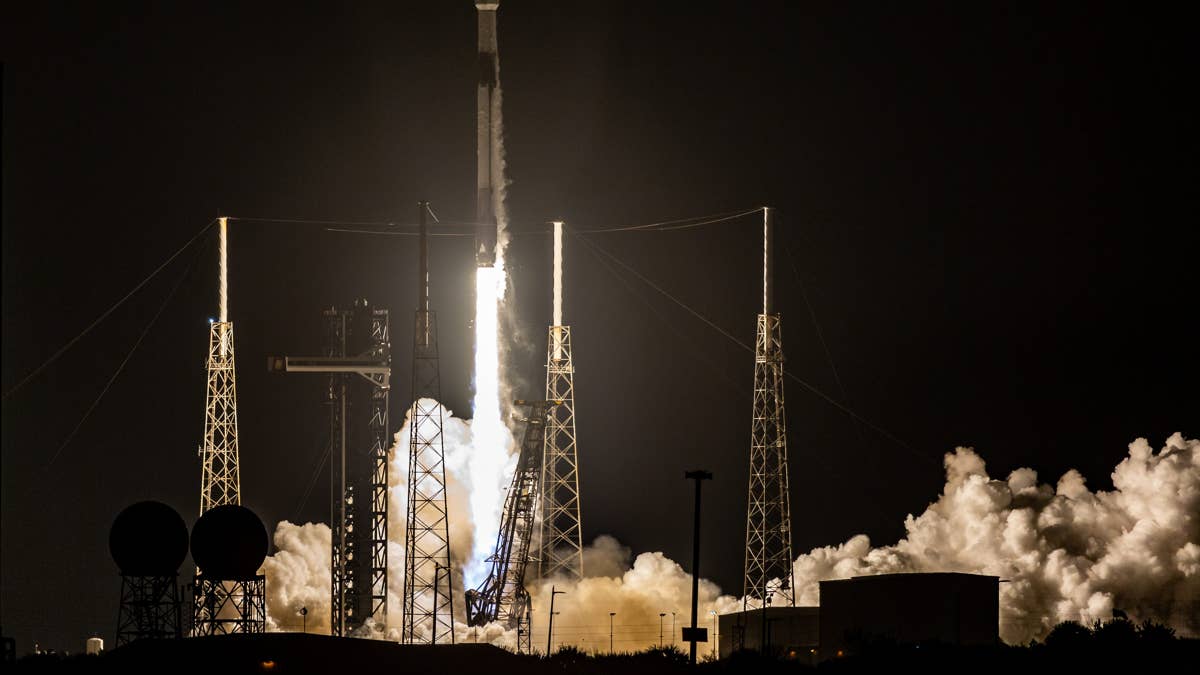
SpaceX has operated as a private company for more than two decades. On August 4, that changes. The company reports Q2 2026 results after market close, its first earnings release since listing on the Nasdaq in June. Wall Street will see the actual financials behind one of the most closely watched stocks of 2026 for the first time.
SpaceX priced its IPO at $135 per share on June 11, 2026, raising $85.7 billion in the largest initial public offering in history.
The stock reached $225.64 on June 16. It has fallen more than 45% since then. Investors have been selling since the first week of trading, and August 4 is the first chance management gets to give them a reason to stop, according to CNBC.
Starlink and free cash flow are what Wall Street is watching
SpaceX posted a net loss of $4.9 billion in 2025 and a further $4.28 billion loss in Q1 2026 on $4.69 billion in revenue.
Analysts are looking for Q2 to show meaningful revenue improvement. The company currently trades at roughly 49 times expected revenue, a multiple that prices in a lot of future growth and leaves little margin for disappointment.
The earnings call begins at 4:30 p.m. ET on August 4 as a live audio-only webcast. Management is expected to address all three business segments: Space, Connectivity, and AI infrastructure.
Wall Street will be listening for specific numbers on each, not broad statements about long-term vision.
Starlink subscriber count is the first number analysts will pull from the report. As of March 31, 2026, Starlink had 10.3 million subscribers across 164 countries, up 105% from 5.0 million a year earlier. The service generated $11.4 billion in revenue in 2025. Q2 subscriber numbers and margin data will tell investors whether Starlink is growing profitably enough to justify a stock trading at 49 times expected revenue.
More SpaceX:
- Elon Musk’s startling claim to SpaceX investors
- Citi sends powerful sign to SpaceX investors
- Beaten-down stock lets you buy SpaceX below market price
Free cash flow is the other number analysts will focus on.
SpaceX is spending heavily across Starlink expansion, Starship development, launch infrastructure, and AI. Those investments are running in parallel, each consuming capital at scale. SpaceX trades at 49 times expected revenue.
Investors at that multiple need to see operating cash flow moving in the right direction. August 4 is when they find out if it is.
SpaceX also recently won a $16 billion Space Force contract for national security launch services. Any update on timing and revenue recognition from that contract will go directly into analyst models for the Space segment.
AI infrastructure and Starship need answers on August 4
August 4 is SpaceX’s first chance to explain its AI business to public investors with real numbers. SpaceX works closely with Musk’s xAI and has signed compute agreements with Anthropic and Alphabet.
AI infrastructure generated $3.2 billion in revenue last year across those operations. Investors want to know how fast it is growing and when the capital being deployed starts producing returns.
Starship is the other piece. SpaceX completed its 13th test flight on July 25, successfully deploying 20 Starlink V3 satellites and executing its softest splashdown yet. Operational progress does not automatically translate into revenue.
Management’s update on the commercial timeline for Starship will set expectations for how quickly the Space segment can grow beyond government launch contracts.
Manuel/Getty Images
The August 6 lock-up gives the market 48 hours to react
The earnings call is not the only event on the calendar.
Two days after the August 4 report, on August 6, up to 911.5 million insider shares unlock. It is the largest lock-up expiration in financial history. At recent stock prices, those shares are worth roughly $116 billion.
Of SpaceX’s 13 billion total shares outstanding, 4.6 billion are currently in a lock-up period. The August 6 release covers 20% of eligible locked-up shares.
Morningstar analyst Nicolas Owens said he expects “most of the available shares will come to market” because existing sellers have low cost basis and long holding periods.
He also said: “It’s conceivable that a good deal of the recent slump in SpaceX stock is precisely in anticipation of the dilution from the lockup,” Motley Fool reported.
A second 10% tranche could unlock if SpaceX stock closes more than 30% above its $135 IPO price on at least five of the ten trading days before the report. The stock is well below the $175.50 threshold required.
That tranche is expected to remain locked. Elon Musk‘s approximately 6.4 billion shares are under a separate one-year lock-up that does not expire until June 12, 2027.
SpaceX stock is down 45% and expectations have already shifted
SpaceX went public at $135, hit $225.64 in the first week, and has been falling since. The stock crossed back below its IPO price for the first time in late July.
Much of the decline reflects investor reassessment of a valuation built on projections rather than reported financials. August 4 replaces projections with actual numbers for the first time.
The stock’s drop has already reset some of those expectations. Whether the current price reflects a buying opportunity or an early read on a business not yet generating sufficient cash depends entirely on what SpaceX reports and what management commits to on August 4.
That is what Wall Street is waiting for. The lock-up event on August 6 means the market will not have long to make up its mind.