
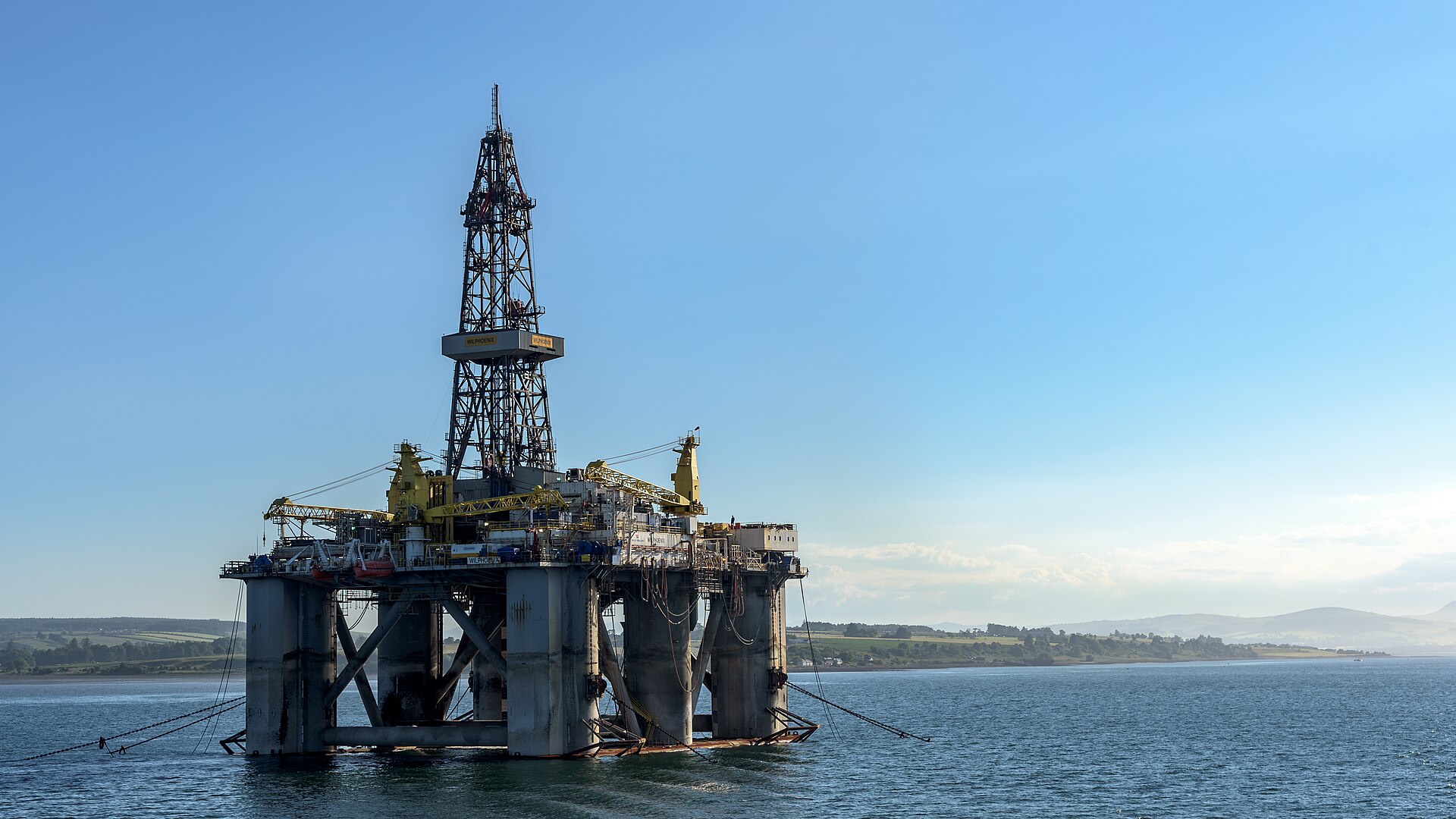
Updated 18 November 2026, 07:30 GMT. Brent crude futures traded at $92.61 in Asia on Wednesday, down 53 cents or 0.57 percent, after industry data showed a 5.28 million barrel build in US crude stocks (Reuters, via HDFC Sky). On Tuesday Brent settled at $93.14, up 0.76 percent, after a swing of about $3 on new attacks on ships near the Strait of Hormuz (Bloomberg, via Rigzone). Verdict: the war premium stopped Tuesday’s slide, but rising US stocks put surplus back in charge before the EIA data and the Fed minutes. Reference levels: $96 above, $88 below.
Key facts
- Wednesday in Asia: Brent January futures at $92.61, down 0.57 percent (Reuters, via HDFC Sky). A later quote had Brent at $92.98, down 0.17 percent, so the move is small and still shifting.
- Tuesday settlement: $93.14, up 70 cents or 0.76 percent, after a range of about $3 (Bloomberg, via Rigzone). Investing.com put the settlement at $93.02, up 0.6 percent.
- US stocks: the American Petroleum Institute reported a 5.28 million barrel rise in crude inventories in the week to 13 November, with gasoline up 5.12 million barrels and distillates up 351,000 barrels (Reuters).
- Shipping: the UK Maritime Trade Operations centre has reported seven attacks in or near the Strait of Hormuz since 10 November (Investing.com). A tanker in the strait caught fire after being hit by a projectile, CNBC reported.
- This month: Brent is down about 20 percent in November but still up more than 50 percent this year (Bloomberg, via Rigzone).
- Today: the EIA weekly petroleum report at 10:30 a.m. Eastern and the minutes of the Fed’s 27-28 October meeting at 2 p.m. Eastern. OPEC+ ministers meet on 29 November.
Tuesday: a $3 range and a small gain
Brent opened Tuesday under pressure. Our Tuesday Brent page had it at $91.66 in Asia, after a 3.55 percent fall on Monday and a Goldman Sachs forecast of a glut next year. The price then swung through a range of about $3 as more attacks were reported in and around the Strait of Hormuz, and Tehran targeted Bahrain for the third time in less than a week, according to Bloomberg.
By the settlement the shipping news had won the day. The January contract closed 70 cents higher at $93.14, a gain of 0.76 percent. CNBC reported that a third US aircraft carrier had arrived in the Middle East and that Iran had stepped up its threats. The International Energy Agency’s outlook still points the other way: it expects the market to return to surplus this quarter because Middle East exports are recovering faster than demand.
Wednesday: US inventories take over
The overnight trade was about the United States. API data published after Tuesday’s settlement showed crude stocks up 5.28 million barrels and gasoline up 5.12 million barrels in the week to 13 November, according to Reuters. Brent fell 53 cents to $92.61 in Asian trade. Reuters said continued attacks on shipping in and around the Strait of Hormuz limited the losses.
The official Energy Information Administration report comes out at 10:30 a.m. Eastern (15:30 GMT). If it confirms a build of that size, it supports the surplus case that has taken Brent down about 20 percent this month. A much smaller build would leave Tuesday’s settlement within reach.
The Fed minutes
The minutes of the Federal Reserve’s 27-28 October meeting are due at 2 p.m. Eastern (19:00 GMT). Traders want to know how many officials backed further rate rises. A higher rate path supports the dollar, which makes oil more expensive for buyers outside the US. Gold traded near a one-year low earlier this week on the same pressure; our gold page covers the Fed calendar and our silver page the move in silver.
Surplus against the war premium
The supply forecasts are bearish. The IEA expects fourth-quarter supply of about 1.7 million barrels a day above demand, and Goldman Sachs expects Brent to average $88 a barrel in 2027, according to CNBC. The risk is in the Gulf. Seven attacks have been reported near the Strait of Hormuz since 10 November, according to UKMTO data cited by Investing.com, and any hit on export terminals or a large tanker could add several dollars in a session, as Monday’s early trade at $96.28 showed.
OPEC+ is the third factor. Ministers meet on 29 November to set 2027 output, and any sign of restraint would test the surplus forecasts.
Brent price: bull, base and bear
| Scenario | Brent | What has to happen | Anchor |
|---|---|---|---|
| Bear | $88 | The EIA confirms a large build, the Fed minutes back more rate rises and the market prices next year’s surplus. | Goldman Sachs’ 2027 average forecast; about 5.0 percent below $92.61. |
| Base | $91.49-$93.14 | Attacks on shipping continue without cutting supply, and Brent stays in this week’s range. | The 10 November settlement of $91.49 and Tuesday’s $93.14. |
| Bull | $96 | An attack hits Gulf output or Hormuz traffic, or OPEC+ signals restraint before 29 November. | Friday’s $95.84 settlement and Monday’s early trade at $96.28; about 3.7 percent above $92.61. |
The bear case sits below the current price. These are reference levels measured from Wednesday morning’s price, not forecasts.
What to watch
- 10:30 a.m. Eastern: the EIA weekly report, and whether it confirms the API’s 5.28 million barrel build.
- 2 p.m. Eastern: the Fed’s October minutes and the debate on further rate rises.
- Shipping: any attack that damages tankers or export terminals in the Gulf.
- 29 November: the OPEC+ ministerial meeting on 2027 output.
Quick take: Brent settled 0.76 percent higher at $93.14 on Tuesday as Gulf attacks stopped the slide, then fell to $92.61 in Asia on a 5.28 million barrel US stock build. The EIA report and the Fed minutes decide the next move. $88 is the downside reference, $96 the upside.
FAQ
What is the Brent crude oil price today?
Brent January futures traded at $92.61 in Asia on Wednesday 18 November, down 53 cents or 0.57 percent from Tuesday’s settlement (Reuters, via HDFC Sky).
Why is oil down today?
The American Petroleum Institute reported a 5.28 million barrel rise in US crude stocks and a 5.12 million barrel rise in gasoline stocks in the week to 13 November. Attacks on shipping near the Strait of Hormuz limited the fall.
Where did Brent settle on Tuesday?
The January contract settled at $93.14, up 70 cents or 0.76 percent, after a range of about $3 (Bloomberg, via Rigzone).
When is the EIA oil inventory report?
The EIA weekly petroleum status report is due on Wednesday 18 November at 10:30 a.m. Eastern (15:30 GMT).
Why do the Fed minutes matter for oil?
They show how many officials backed further rate rises. Higher rates support the dollar and weigh on demand expectations, both of which tend to pressure oil.
When is the next OPEC+ meeting?
The ministerial meeting is on 29 November and will set production policy for 2027.
Sources: Reuters, 18 November 2026, via HDFC Sky and Global Banking and Finance Review (Wednesday price, API data); Bloomberg, 17 November 2026, via Rigzone (Tuesday settlement, trading range, Bahrain, monthly and yearly change); Investing.com, 17 November 2026 (settlement, UKMTO attack count); CNBC, 17 November 2026 (tanker fire, US carrier) and 16 November 2026 (Goldman Sachs forecast); IEA Oil Market Report (surplus outlook); Federal Reserve (minutes date); OPEC (meeting date).
Disclaimer: This article is for informational purposes only and does not constitute financial or investment advice. Commodity prices are volatile. Do your own research and consult a licensed financial adviser before making investment decisions.