Though the stock market has been dilly-dallying, as the British would say, UBS is sticking to its bullish outlook for the S&P 500.
Though not a price-target reset, the bank’s latest message sharpens the debate over what must happen next for stocks to continue climbing.
Earlier gains were driven mainly by enthusiasm, expanding valuations, and confidence in AI, but the next phase is likely to be less forgiving.
Investors are now in ‘show-me’ mode, where strong expectations leave little room for earnings misses, weaker guidance, or signs that corporate spending is losing momentum.
UBS remains constructive, but the forecast depends heavily on companies delivering results rather than investors simply paying more for future growth.
UBS’s 7,900 target is not a fresh reset
According to Seeking Alpha reporting, UBS Global Wealth Management is sticking with its S&P 500 target, at 7,900 by year-end.
More AI:
- The new Chinese AI model rattling U.S. tech investors
- Anthropic restores access to Mythos 5 for select organizations
- SoftBank CEO offers stinging critique of Musk’s AI bet
It’s important to note, though, that the July 15 call wasn’t a new target increase. UBS had previously raised its forecast to 7,900 on May 22, up from 7,500, according to Yahoo Finance.
What’s new is the Swiss bank’s message on what will drive the market’s next leg higher.
The bank believes that robust cash flow, earnings growth, and company-specific execution, rather than generalized AI enthusiasm, will pave the way for a strong finish to the year.
The target has shifted several times this year.
Reuters reports that UBS entered April with a forecast of 7,700, then cut it to 7,500 on April 7 as higher oil prices threatened growth and inflation and raised the prospect of the Federal Reserve easing.
The May increase marked a 400-point reset from the previous target, placing UBS 200 points above its prewar forecast.
Reuters reports that the S&P 500 ultimately closed at 7,572.42, up 28.83 points, leaving it about 0.5% below its June record close.
Hence, UBS’s 7,900 forecast therefore implies about 4.3% price upside by year-end, excluding dividends.
Moreover, its June 2027 target of 8,200 implies about 8.3% upside from that level.
So this is a constructive but measured forecast, not an extremely aggressive call. Much of UBS’s original upside has already materialized since it raised the target in May.
What is driving UBS’s bullish forecast?
As I mentioned earlier, UBS’s bullish S&P 500 forecast is built first on a major earnings reset.
The bank raised its 2026 earnings estimate for the index to $335 per share from $310, which implies nearly 20% annual growth, up from its prior 11% forecast.
UBS also introduced a $375 EPS estimate for 2027, representing another 12% increase.
At a 7,900 year-end target, the S&P 500 would trade at about 23.6 times projected 2026 earnings and 21.1 times 2027 earnings.
According to FactSet, it’s about 25% above the S&P 500’s 10-year average forward P/E of 18.9.
That makes corporate execution paramount, with companies expected to deliver unusually strong profit growth now embedded in their estimates.
Semiconductors form nearly 50% of the $25 increase in UBS’s 2026 EPS forecast. The sector contributed about $11, while energy added roughly $6 and all other industries contributed around $8.
Additionally, UBS expects AI-related capital spending to supercharge 68% in 2026 to about $820 billion, followed by another 21% increase in 2027 to nearly $1 trillion. Tight semiconductor supply, rising chip-rental prices and ongoing capital raising makes near-term spending cuts virtually impossible.
Tech stocks rally as megacaps lead gains
Tech stocks were mostly in the green on July 15, though the rally was concentrated in megacaps instead of semiconductors.
According to CNBC reporting, the Nasdaq Composite gained 0.62% to 26,269.23, outperforming the S&P 500’s 0.38% move.
Apple led the recovery among major AI stocks, rising 3.95% to a record closing high, while Alphabet’s Class C shares rose 3.60%. Meta advanced 3.07%, Amazon gained 3.02%, and Microsoft climbed 2.78%.
Moreover, Saxo reports that fintech giant PayPal was the day’s standout mover, surging 17.2%, after reports of a takeover bid.
On the flipside, the Philadelphia Semiconductor Index dropped 2.1% as investors sold off Micron, Marvell, Intel, AMD, and other hardware names.
What could derail UBS’s call?
The first big risk is that earnings expectations have become too demanding.
UBS itself doesn’t expect another large round of corporate guidance bumps this quarter, while broader Wall Street projections now require exceptionally strong results, particularly from technology and semiconductors.
In fact, a Goldman Sachs note I covered showed that strategist Ben Snider felt that stocks might face near-term pressure from interest rate hikes, even with corporate profits being a bigger long-term driver.
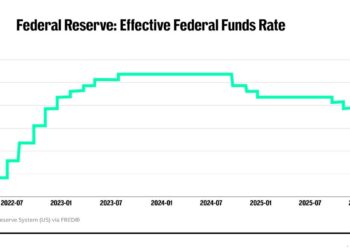
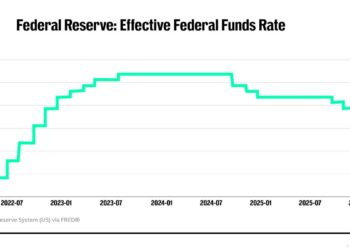
Reuters reports that even though inflation cooled this week, markets are not out of the woods yet, with CME FedWatch still assigning roughly a 60% probability of a rate hike at the Fed’s September 15–16 meeting.
The second big risk is concentration.
Chip stocks and energy accounted for the bulk of UBS’s EPS upgrade. A memory-pricing reversal, slower hyperscaler spending, or falling energy profits will weaken the earnings foundation behind 7,900.
Thirdly, oil prices and geopolitics remain major issues. UBS previously cut its target because disruption around the Strait of Hormuz threatened to raise inflation, weaken economic growth, and delay Fed easing.
Related: Microsoft CEO adds fuel to Palantir CEO’s AI warning