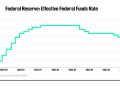

The New Zealand dollar-US dollar (NZD/USD) pair faces a potentially volatile period as markets weigh expectations for further rate increases in both New Zealand and the United States. The Reserve Bank of New Zealand (RBNZ) raised interest rates for the second time this year earlier in September, but persistent US inflation has also increased expectations that the Federal Reserve (Fed) could tighten policy at this week’s meeting.
New Zealand inflation keeps rate hike expectations alive
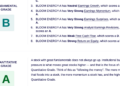
In New Zealand, inflation remains the main concern. Consumer prices rose 4.1% year-on-year in the second quarter, above the RBNZ’s 1% to 3% target range, largely because of higher fuel prices linked to the conflict in the Middle East. The central bank responded by raising the Official Cash Rate by 0.25 percentage points to 2.75% and said another increase may be needed before the end of the year.
However, the RBNZ is also making clear that the inflation picture is more complicated than the headline number suggests. Inflation excluding vehicle fuels eased to 2.9%, while longer-term inflation expectations remain close to 2%. Higher energy costs are also squeezing household budgets and weighing on domestic spending. This leaves policymakers trying to prevent the energy shock from spreading into wider prices without putting unnecessary pressure on an economy that is still recovering.
The Fed adds another layer of uncertainty
The US side of the pair is creating a similar challenge. August inflation remained elevated, while higher energy prices have added to concerns that price pressures could persist. Markets are now heavily expecting the Fed to raise rates on Wednesday, making the decision and the central bank’s guidance particularly important for the US dollar.
“The kiwi is caught between two central banks dealing with a similar problem. Higher energy prices have pushed inflation up in both economies, and markets increasingly expect higher interest rates as a result. The key question is how much further each central bank believes it needs to go. That puts this week’s Fed decision, along with future inflation and jobs data, firmly in focus for the New Zealand dollar,” says Van Ha Trinh, Financial Markets Strategist at Exness.
For traders, the immediate focus is Wednesday’s Fed decision and what policymakers say about the possibility of further rate increases. In New Zealand, the RBNZ’s next rate decision is not until 28 October, leaving incoming economic data and changes in energy prices to shape expectations in the meantime.